How to Write Headlines That Grab Attention — and Make People Click
Your headline is everything.
It’s the first thing people see. It decides whether they read… or scroll past. You can have the best content in the world, but without a strong headline, it won’t get noticed.
This guide shows you how to write headlines that grab attention, spark curiosity, and drive clicks — without clickbait or hype.
Why Headlines Matter More Than Ever
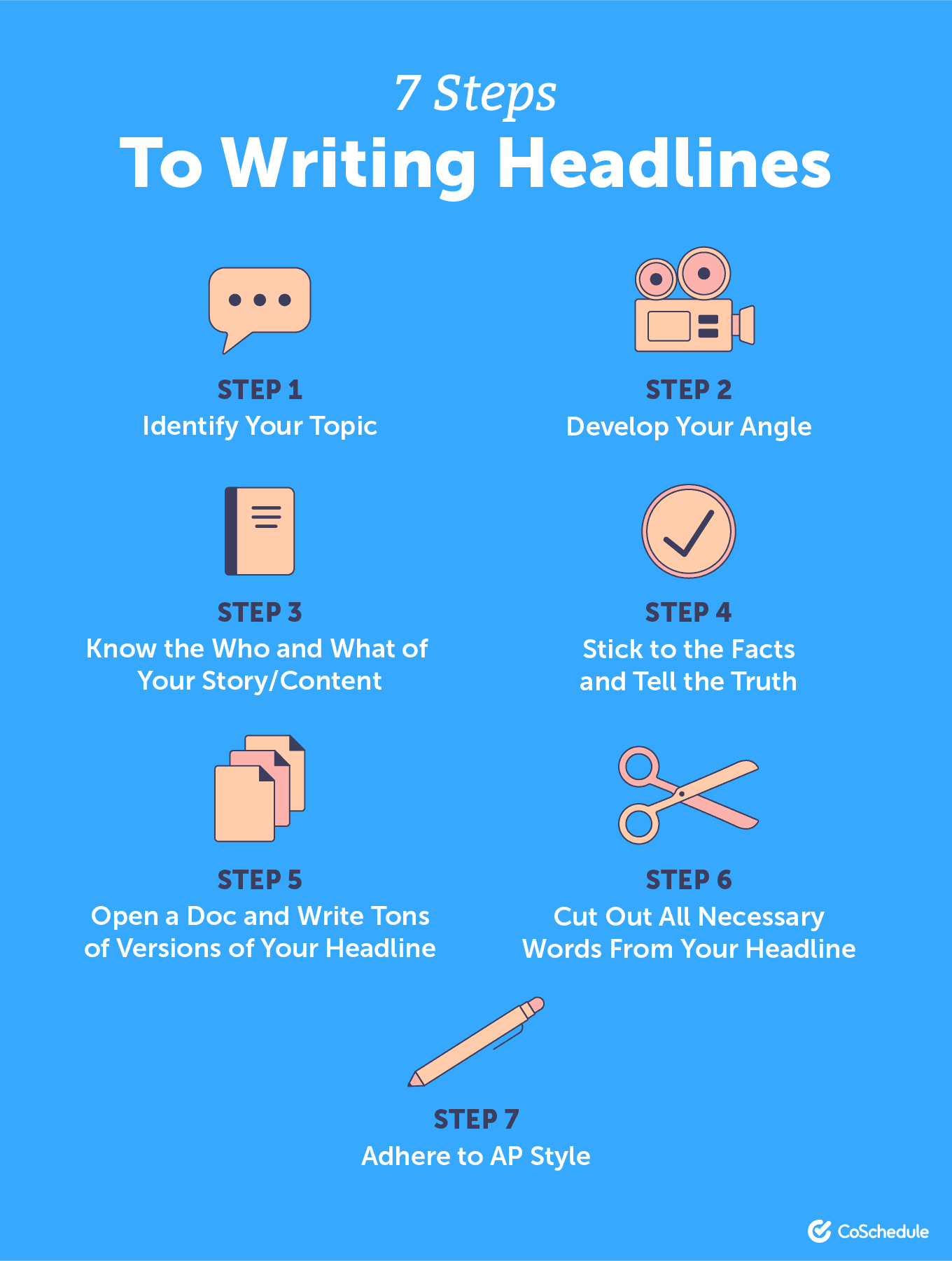
People don’t read online — they scan. Your headline has seconds to earn attention.
A great headline:
- Stops the scroll
- Makes the value instantly clear
- Creates curiosity without confusion
- Pulls the reader into the content
If the headline fails, the content never gets a chance.
What Makes a Headline Captivating?
A strong headline usually does one (or more) of these things:
- Promises a clear benefit
- Solves a specific problem
- Sparks curiosity
- Feels timely or relevant
- Speaks directly to the reader
Clarity always beats cleverness. If people don’t understand it instantly, it won’t work.
7 Proven Headline Writing Techniques That Work
1. Lead With a Clear Benefit
Tell the reader exactly what they’ll gain.
Examples:
- Write Better Headlines in 10 Minutes a Day
- Get More Clicks Without Writing More Content
If the benefit isn’t obvious, rewrite it.
2. Use Numbers to Create Structure
Numbers signal clarity and make content feel easy to consume.
Examples:
- 9 Headline Formulas That Consistently Convert
- 21 Examples of Headlines That Actually Work
Odd numbers often perform better, but clarity matters more than superstition.
3. Speak Directly to the Reader
Use “you” to make the headline feel personal.
Examples:
- Why Your Headlines Aren’t Working (And How to Fix Them)
- How You Can Write Headlines That People Can’t Ignore
Direct language builds instant connection.
4. Create Curiosity — Without Clickbait
Curiosity works when it promises value, not tricks.
Good curiosity:
- The One Headline Mistake Killing Your Click-Through Rate
Bad clickbait:
- You Won’t Believe What This Headline Does Next
If it feels manipulative, it hurts trust.
5. Address a Specific Pain Point
The more specific the problem, the stronger the pull.
Examples:
- Struggling With Low Engagement? Fix Your Headlines First
- Why Great Content Still Fails Without This One Line
People click when they feel understood.
6. Keep It Simple and Skimmable
Shorter headlines usually win — but only if they’re clear.
Tips:
- Cut unnecessary words
- Remove vague phrases
- Read it out loud
If it sounds awkward, it won’t convert.
7. Test Variations, Not Just One
Professional writers rarely settle on the first headline.
Try:
- One benefit-driven version
- One curiosity-driven version
- One direct, simple version
Even small changes can make a big difference.
High-Converting Headline Formulas You Can Use Today
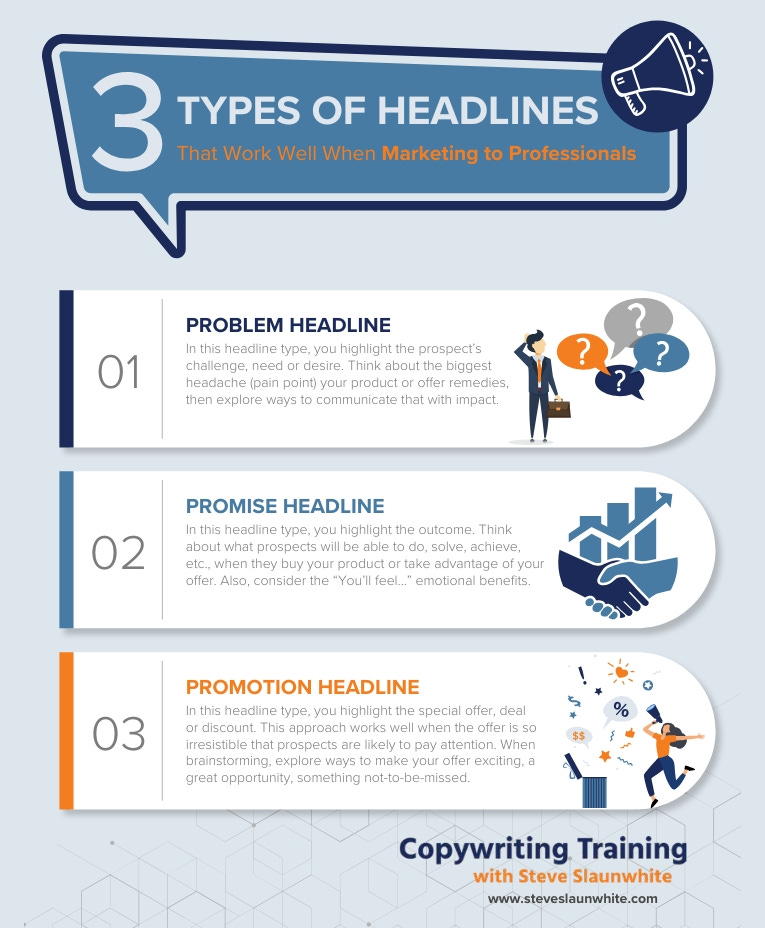
- How to [Achieve Result] Without [Pain Point]
- The Ultimate Guide to [Topic]
- [Number] Ways to [Desired Outcome]
- Why [Common Belief] Is Holding You Back
- The Simple Trick That [Unexpected Benefit]
Use formulas as a starting point — not a crutch.
Common Headline Mistakes to Avoid
- Being clever instead of clear
- Overpromising and underdelivering
- Writing for algorithms instead of humans
- Making the headline about you, not the reader
- Ignoring emotional pull entirely
The best headlines balance logic and emotion.
Headlines That Convert Don’t Shout — They Connect
Strong headlines don’t beg for attention. They earn it.
They:
- Respect the reader’s time
- Make a clear promise
- Deliver on that promise
Whether you’re writing blog posts, landing pages, emails, or ads, your headline sets the tone for everything that follows.
Ready to Write Better Headlines?
If you want more clicks, more reads, and more conversions, start with your headlines. Improve this one skill, and every piece of content you create becomes more effective.
Because great writing starts with one powerful line — the headline.