The Art of Drawing Readers In
To capture attention from the first line, start with a bold hook that sparks curiosity, highlights a problem, or promises a clear benefit. The strongest first lines are short, specific, and emotionally relevant, making readers want to continue immediately. If the opening sentence doesn’t stop the reader, the rest of the content won’t be read.
This guide shows you how to capture attention from the very first line using simple, proven techniques that work across blogs, landing pages, emails, and sales pages.
Why the First Line Matters So Much
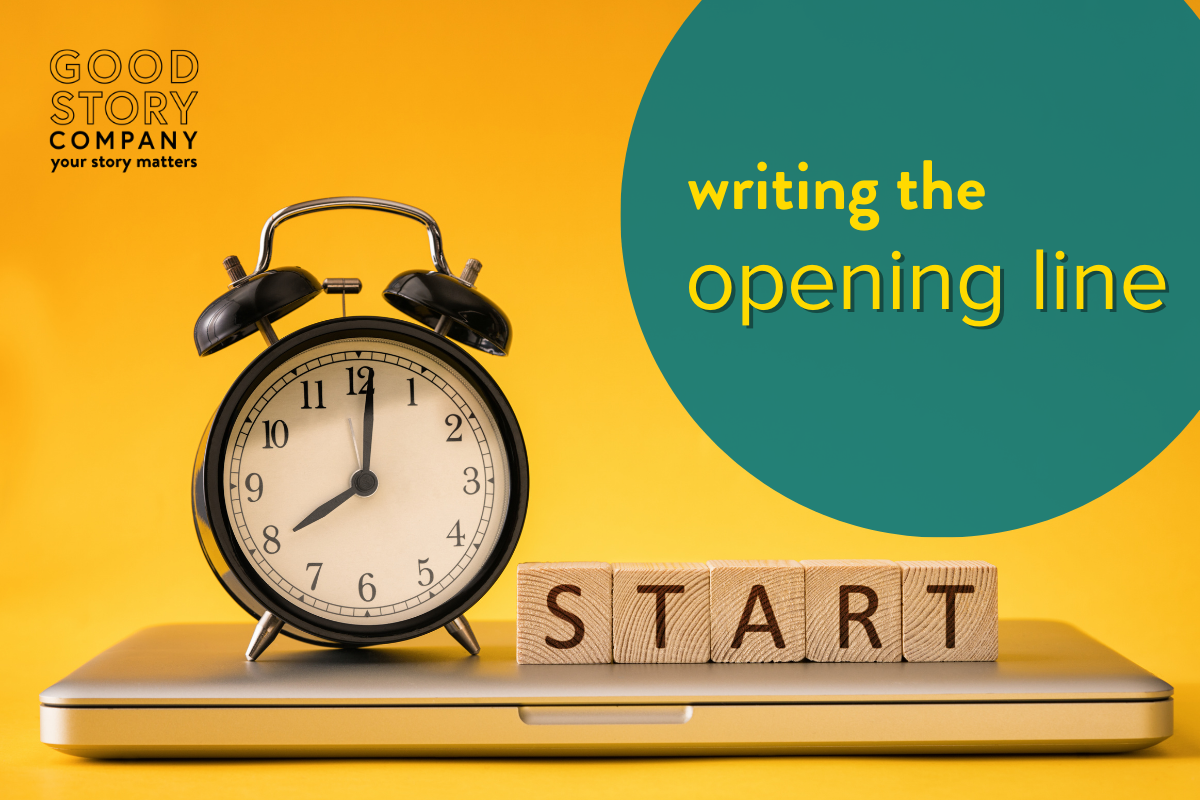
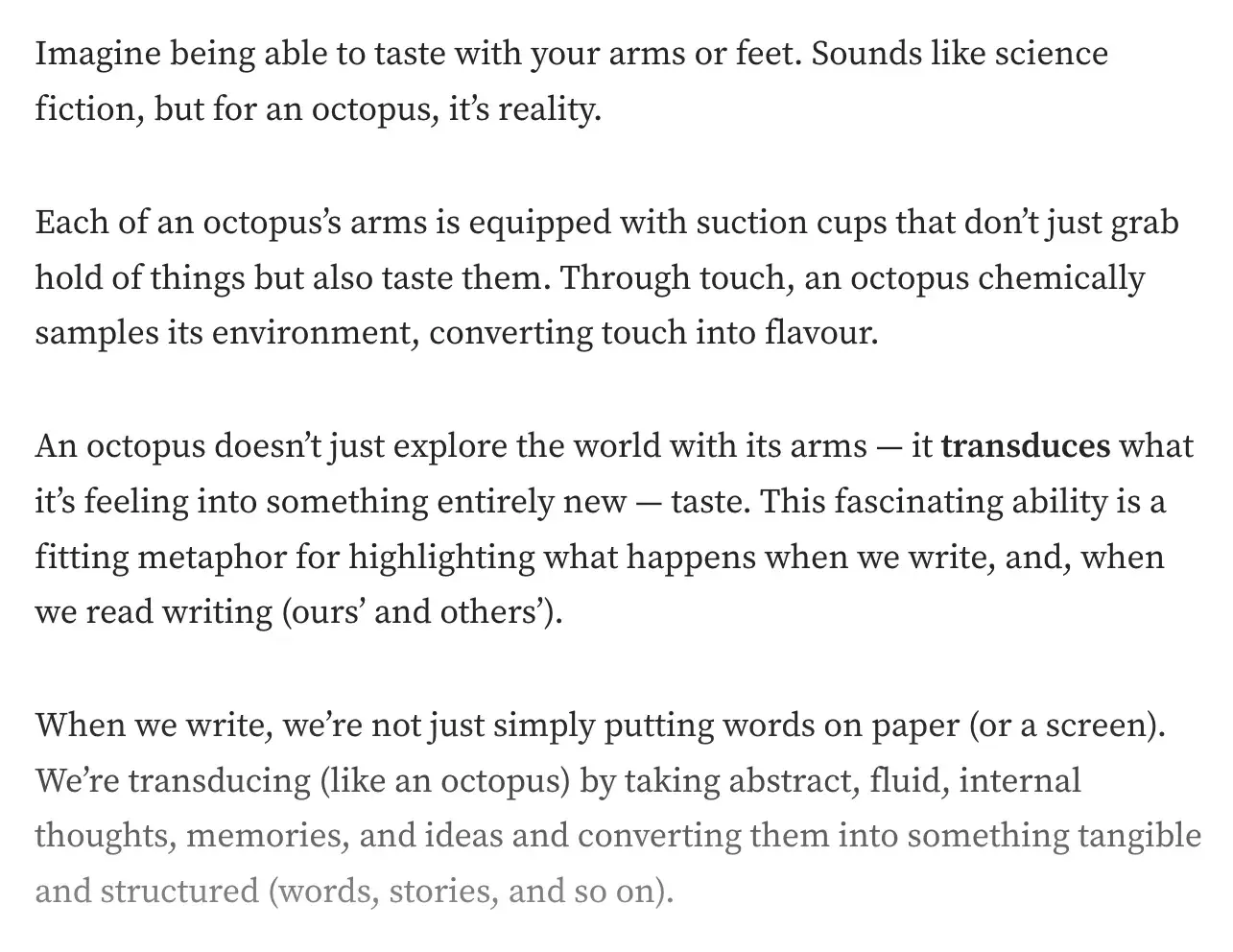
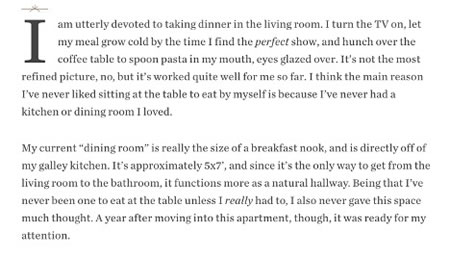
Most readers never make it past the opening.
A strong first line:
- Stops the scroll
- Creates instant curiosity
- Signals value immediately
- Makes the reader want the next sentence
A weak one quietly kills great content.
What a Powerful First Line Actually Does
Great opening lines don’t try to explain everything. They do one job well:
They create momentum.
The goal isn’t to impress — it’s to make reading the next line feel effortless.
9 Proven Ways to Capture Attention From the First Line
1. Start With a Relatable Problem
Readers lean in when they feel understood.
Examples:
- Most people quit reading after the first sentence.
- You can write great content and still get ignored.
If it sounds like their internal thought, it works.
2. Make a Bold, Honest Statement
Clear confidence pulls attention.
Examples:
- Your introduction matters more than your conclusion.
- Attention is harder to earn than ever — and easier to lose.
Bold doesn’t mean exaggerated. It means direct.
3. Use Short, Punchy Sentences
Short lines create rhythm and impact.
Example:
- This matters.
Simple lines slow the reader down — in a good way.
4. Ask a Question the Reader Can’t Ignore
Questions work when the answer matters.
Examples:
- Why do some pieces instantly pull you in?
- What makes you keep reading — even when you didn’t plan to?
If the reader mentally answers, you’ve won.
5. Open With a Specific Observation
Specific beats vague every time.
Examples:
- Most people skim the first three lines before deciding to stay.
- You have about five seconds to earn attention online.
Specifics feel real. Real feels credible.
6. Break a Common Assumption
Pattern breaks wake readers up.
Examples:
- Great writing doesn’t start with creativity.
- The best openings aren’t clever — they’re clear.
Surprise earns attention when it feels true.
7. Speak Directly to the Reader
Use “you” intentionally.
Examples:
- You don’t need better ideas — you need a better opening.
- You’re closer to great writing than you think.
Direct language creates instant connection.
8. Create Curiosity Without Confusion
Curiosity works when the reader trusts you.
Good curiosity:
- There’s one reason most introductions fail.
Bad curiosity:
- This secret will blow your mind.
If it feels gimmicky, it breaks trust.
9. Match the First Line to the Promise
The opening must align with what comes next.
A calm guide needs a calm opening.
A bold opinion needs a confident one.
Mismatch creates drop-off.
Each one creates forward motion.
Common First-Line Mistakes to Avoid
- Starting with background or context
- Explaining instead of engaging
- Being vague or generic
- Trying to sound “smart” instead of clear
- Saving the best idea for later
Your best line belongs at the beginning — not buried.
The Real Secret to Drawing Readers In
It’s not tricks.
It’s empathy.
When you understand what your reader is thinking, worried about, or hoping for, the right first line becomes obvious.
Great openings say:
I see you. Keep going.
Ready to Capture Attention From the First Line?
If you want more readers, more engagement, and more conversions, start where it matters most — the opening line.
Because when the first line works, everything that follows gets read.