
Blacks in Aviation History
Pioneers, Trailblazers, and the Legacy That Changed Flight Forever
Blacks in aviation history refers to the groundbreaking contributions of African Americans who pioneered flight as pilots, engineers, military aviators, and astronauts—overcoming segregation and discrimination to transform aviation and space exploration. Key figures include Bessie Coleman, the Tuskegee Airmen, Mae Jemison, and Guion Bluford, whose achievements opened doors across commercial, military, and space aviation.
Why Blacks in Aviation History Matters
- Innovation under pressure: Progress born from persistence in the face of systemic barriers.
- National impact: Critical roles in WWII, the Space Shuttle era, and modern aerospace.
- Lasting legacy: Expanded access to education, careers, and representation in STEM and aviation.
Early Pioneers Who Took to the Skies
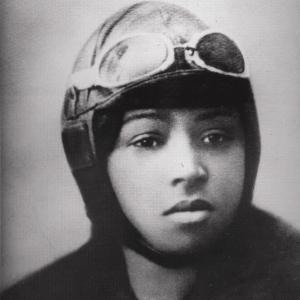
Bessie Coleman
The first Black woman—and first Native American—licensed pilot, Coleman trained in France when U.S. schools barred her entry. Her courage and international acclaim made her a global symbol of possibility and a catalyst for inclusion in aviation.
WWII and the Rise of Elite Military Aviators
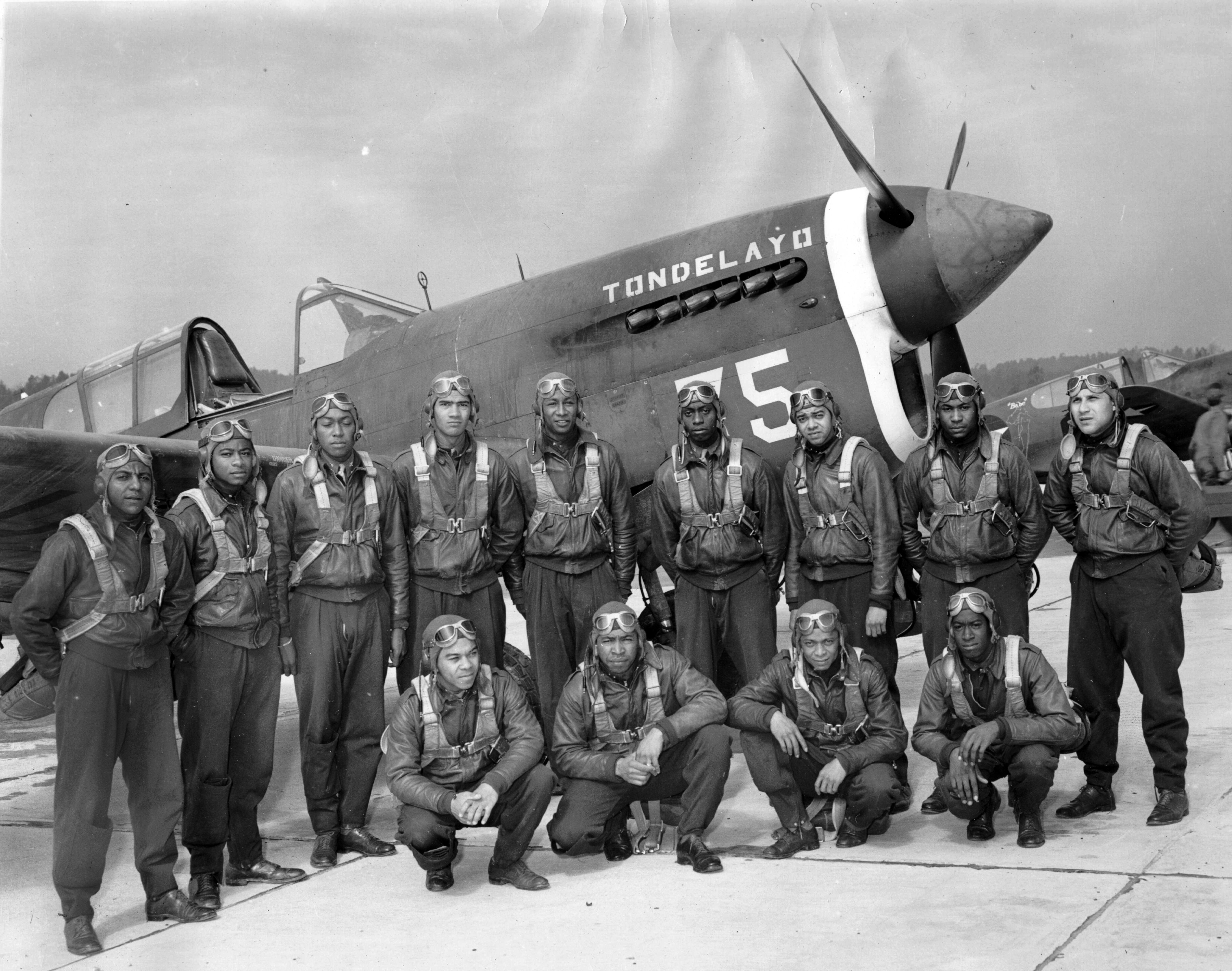
Tuskegee Airmen
These highly skilled pilots shattered myths with excellence. Their unmatched bomber-escort record helped integrate the U.S. military and accelerated equal opportunity across defense and aerospace careers.
Breaking Earth’s Atmosphere: Black Astronauts

Guion Bluford
In 1983, Bluford became the first Black astronaut in space, proving that representation belongs at the highest frontier.
Mae Jemison
A physician and engineer, Jemison flew aboard Endeavour in 1992—becoming the first Black woman in space and inspiring generations of scientists and aviators.
Leaders in Modern Aviation & Aerospace
From commercial cockpits to aerospace labs, Black professionals continue to lead as pilots, engineers, mission specialists, and executives—expanding safety, efficiency, and innovation across the industry.
Timeline: Key Milestones
- 1921: Bessie Coleman earns her pilot license in France
- 1941–1946: Tuskegee Airmen serve with distinction in WWII
- 1983: Guion Bluford becomes the first Black astronaut
- 1992: Mae Jemison becomes the first Black woman in space
Impact Beyond the Runway
- Education: Scholarships, flight schools, and mentorship pipelines
- Policy: Military integration and equal-access precedents
- Culture: A broader vision of who belongs in aviation and STEM
FAQs
Who was the first Black pilot?
Bessie Coleman was the first licensed Black pilot and the first Black woman to earn a pilot’s license.
Who were the Tuskegee Airmen?
An elite group of Black military pilots whose WWII service helped desegregate the U.S. armed forces.
Who was the first Black astronaut?
Guion Bluford, who flew aboard the Space Shuttle Challenger in 1983.