Black Inventors in Naval History
Pioneers Who Shaped Maritime Warfare, Engineering & Innovation
Black inventors in naval history significantly advanced maritime safety, engineering, navigation, and military defense. Innovators like Garrett Morgan improved breathing systems used in ship emergencies, while Lewis Latimer enhanced naval electrical systems. Their contributions strengthened naval operations, ship safety, and modern maritime technology worldwide.
Why Black Inventors Matter in Naval History
Black innovators played critical roles in:
- Naval warfare strategy
- Ship engineering & propulsion
- Submarine technology
- Naval communications systems
- Maritime safety equipment
- Combat rescue and survival systems
Despite systemic barriers, these pioneers secured patents, led engineering breakthroughs, and earned military distinction in U.S. and international naval history.
1. Garrett Morgan
Naval Safety & Maritime Rescue Innovation

Innovation: Early Gas Mask / Safety Hood (1914)
Naval Impact: Maritime rescue, submarine survival, shipboard emergency response
Morgan’s breathing device became foundational for emergency response systems used by military personnel, including naval crews operating in confined environments such as submarines and engine rooms.
His invention influenced:
- Naval firefighting equipment
- Submarine emergency breathing systems
- Chemical exposure protection gear
Today’s naval breathing apparatus systems trace back to early lifesaving technologies like Morgan’s.
2. Lewis Howard Latimer
Naval Electrical Engineering Advancements
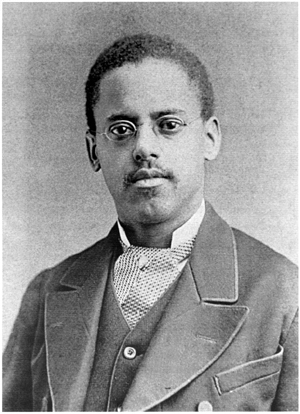
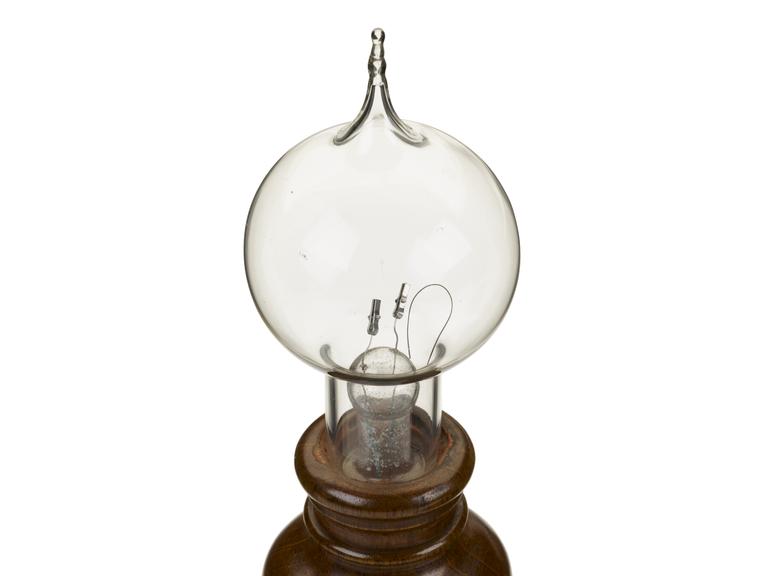
Innovation: Carbon filament improvements for electric lighting
Naval Impact: Shipboard lighting, electrical systems reliability
Latimer’s improvements to electric lighting enhanced durability and efficiency — essential for:
- Warship interior operations
- Naval shipyards
- Coastal defense installations
Reliable electrical systems became critical for command centers, navigation rooms, and engine compartments.
3. David Crosthwait
Naval Climate Control & Ship Engineering

Innovation: Heating & ventilation engineering systems
Naval Impact: Ship climate systems, dockyard heating infrastructure
Crosthwait held over 30 patents in heating and ventilation. Naval vessels operating across extreme climates relied heavily on effective temperature regulation systems — particularly:
- Arctic naval operations
- Engine room heat management
- Maritime equipment preservation
His engineering standards influenced large-scale military infrastructure systems.
4. Lonnie Johnson
Naval Energy & Engineering Systems
Innovation: Advanced battery systems & energy storage
Naval Impact: Military-grade power systems
Before becoming widely known for commercial inventions, Johnson worked as an engineer on advanced military and energy systems. His expertise in thermodynamics and energy transfer contributed to research environments influencing naval and defense engineering systems.
Modern naval vessels depend heavily on advanced:
- Battery storage systems
- Energy transfer systems
- Defense power grids
5. Benjamin Banneker
Maritime Navigation & Astronomical Calculations
Innovation: Astronomical calculations & almanacs
Naval Impact: Maritime navigation accuracy
Before GPS, naval navigation depended on astronomical calculations. Banneker’s almanacs improved precision in:
- Tidal predictions
- Celestial navigation
- Maritime positioning
Accurate calculations were critical for naval fleets operating in global waters.
6. Doris Miller
Naval Combat History & Service Milestones
Though not an inventor, Miller’s heroism during the attack on Pearl Harbor changed naval policy and accelerated the integration of Black sailors into expanded naval roles.
Naval Impact:
- Broadened service opportunities
- Recognition of combat contributions
- Institutional shifts in naval history
His legacy shaped naval advancement through policy transformation.
Other Notable Black Naval Innovators & Engineers
- Jesse Wilkins Jr. – Applied mathematics & defense modeling
- Walter Lincoln Hawkins – Polymer chemistry influencing materials used in defense environments
- Emmett Chappelle – Bioluminescence research influencing military detection systems
How Black Inventors Changed Naval Warfare
1. Enhanced Ship Safety
Breathing devices, fire suppression, ventilation systems.
2. Improved Naval Engineering
Heating, propulsion, electrical durability.
3. Advanced Navigation
Astronomy, mapping, maritime precision.
4. Strengthened Military Infrastructure
Energy systems, materials science, operational reliability.
The Ongoing Legacy in Modern Naval Technology
Today’s naval fleets rely on:
- Nuclear propulsion systems
- Advanced sonar technology
- AI-driven navigation
- Energy-dense battery storage
- Integrated shipboard climate control
Black engineers and inventors continue contributing to naval innovation across aerospace, marine engineering, cybersecurity, and defense systems.
Frequently Asked Questions
Who was the most influential Black inventor in naval history?
Several contributed significantly. Garrett Morgan’s breathing apparatus and Lewis Latimer’s electrical improvements had lasting naval impact.
Did Black inventors contribute to submarine technology?
Yes. Early breathing and ventilation systems influenced submarine safety and operational capability.
How did Black innovators impact naval navigation?
Astronomical calculations and mathematical modeling improved maritime positioning before modern navigation systems.
Why This History Matters
Understanding Black inventors in naval history provides:
- Educational empowerment
- Recognition of overlooked contributions
- Context for modern defense technology
- Inspiration for future engineers
Their resilience and brilliance shaped maritime systems that continue to protect global waters.
Final Takeaway
Black innovators have influenced naval history through engineering, safety systems, navigation science, and military service transformation. Their inventions and leadership strengthened naval power and advanced maritime technology worldwide.